Maps of Angola
Location, and Size of Angola
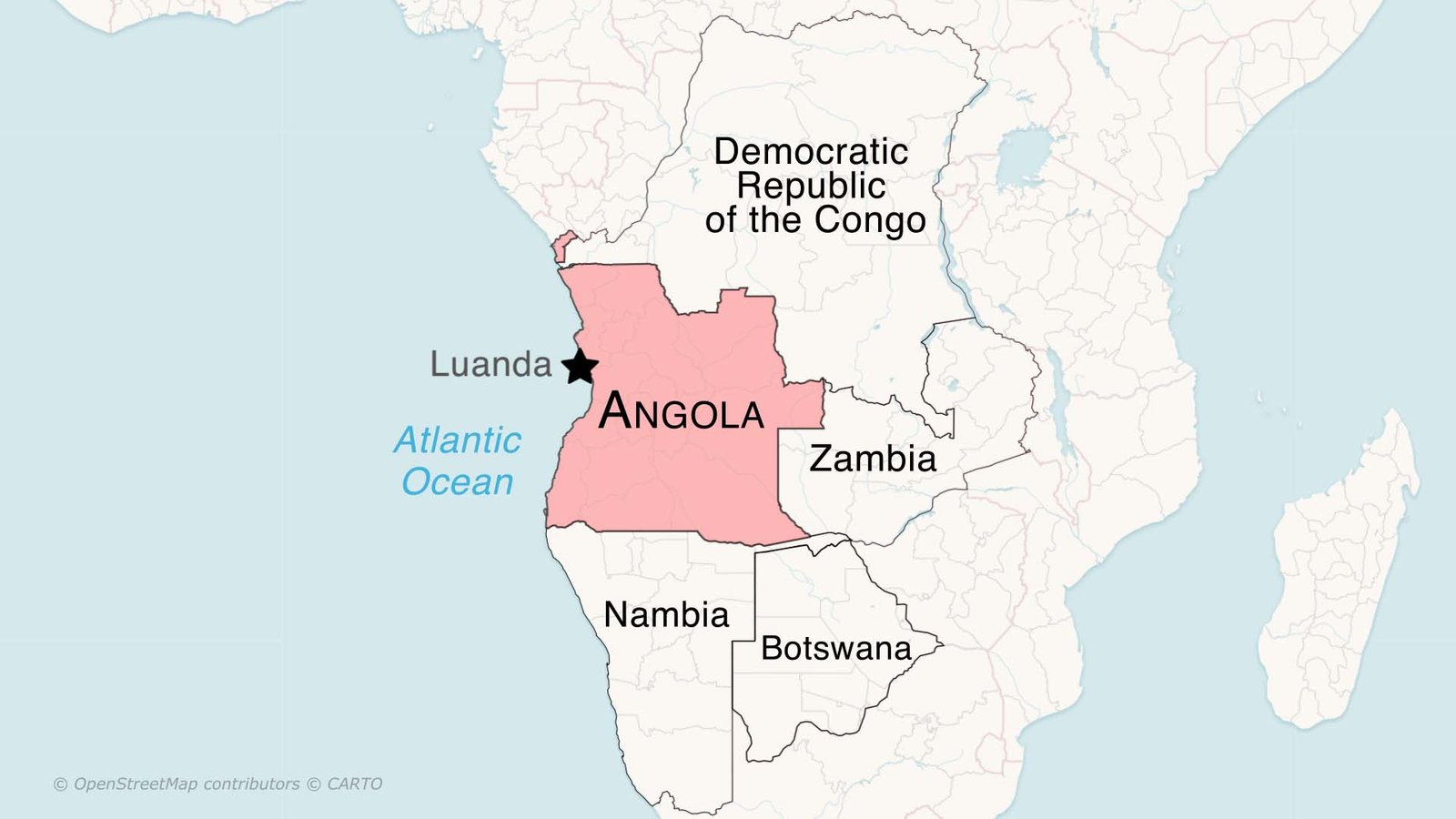
Angola is a large country on the west coast of Africa. It sits along the Atlantic Ocean, which gives it long beaches and a wide coastline. The country is very big. It covers about 1,246,700 square kilometers. This makes Angola one of the largest countries in Africa. It has many different kinds of land, weather, and natural resources. The capital city of Angola is Luanda, which is near the coast and has many people living there.
Geography of Angola
The geography of Angola changes a lot from place to place. The country has flat land near the coast, rolling hills in the middle, and tall mountains in the south and east. Some parts are very dry, while others get plenty of rain. The coastal areas are warm and humid, with salty sea winds. The central region has grasslands that stretch far across the land. This area is called the plateau, and it covers a large part of the country. The mountains are cooler and covered with forests, plants, and animals. The weather can be very different in each region at the same time of the year.
Rivers and Mountains of Angola
Angola has many rivers that carry fresh water across the land. One of the most important rivers is the Kwanza River. Farmers, fishermen, and power plants use it for farming, fishing, and producing electricity. The Congo River, which is one of the largest rivers in the world, also touches the northern part of Angola. The Cunene River forms a border between Angola and Namibia and is very helpful for farms and animals.
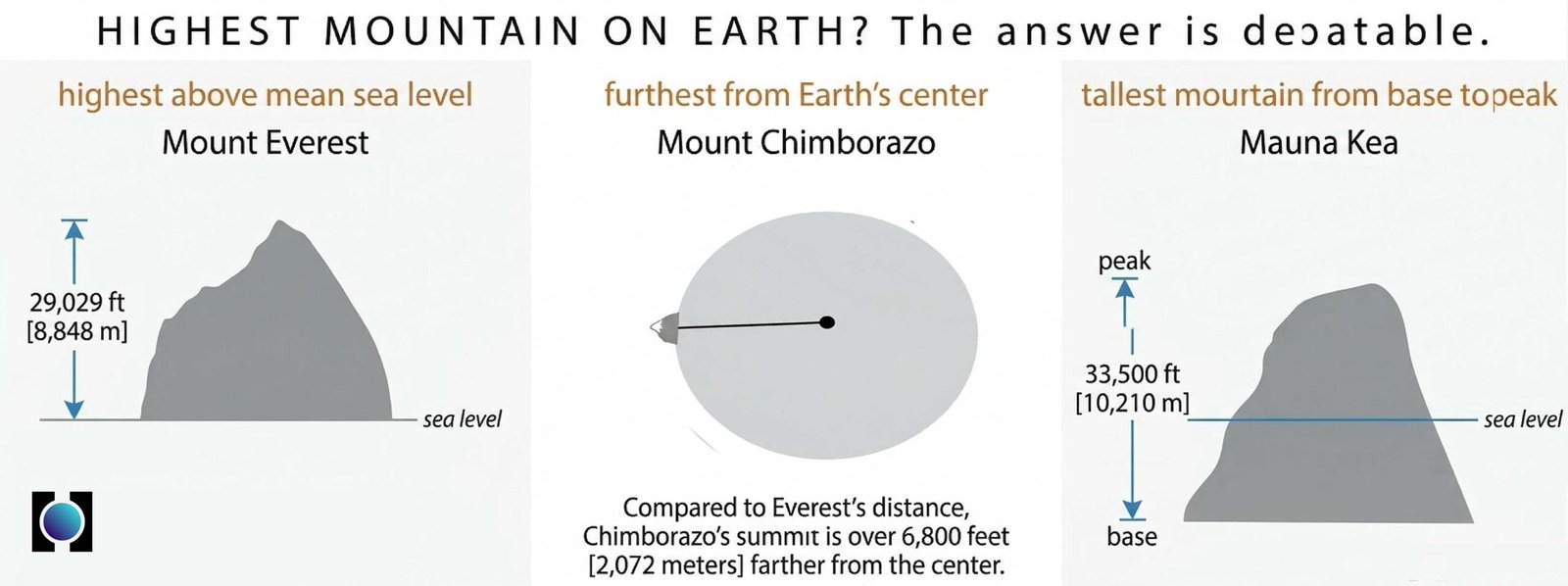
The mountains of Angola stand high above the land. The tallest mountain is Mount Moco. It reaches two thousand six hundred twenty meters. These mountains have forests and host many unique birds and animals. The rivers and mountains together help create beautiful landscapes, which people enjoy visiting.
Population
Angola has a population of about 36 million people. Most people live in cities. Luanda is the largest city and is full of busy streets, markets, buildings, and homes. Many people move to cities for jobs, schools, and better living conditions. Many people still live in villages. They farm and care for animals, even as cities experience rapid growth.
Demographics
The people of Angola come from many ethnic groups. The largest group is the Ovimbundu. Another big group is the Kimbundu, and there are several others. These groups have their own traditions, stories, clothes, and food. The main language in Angola is Portuguese. This is because Portugal once ruled the country. Many people also speak African languages like Umbundu, Kimbundu, and Kikongo. Most people follow Christianity, but some also keep old cultural practices and beliefs. Music and dance play a big role in daily life. One famous dance is Kuduro from Angola.
Economy
Angola has many natural resources that help its economy grow. One of the biggest parts of Angola’s economy is oil. The country has a lot of oil under the ocean and deep in the ground. Angola also has diamonds, gold, copper, and other minerals. Farming is another part of the economy. Farmers grow crops like maize, cassava, bananas, and coffee. Some people also keep cows, goats, and chickens. Fishing is common in coastal areas where large fish can be caught in the Atlantic Ocean. Angola has many resources, but its economy is still growing. The country strives to improve life for all its people.
Read more about Maps of Andorra
Trade
Angola sells oil, diamonds, and minerals to many countries around the world. These items bring in a lot of money. Angola buys a lot of goods from other countries. It needs machines, food, medicines, and other supplies. The main trade partners of Angola include China, Portugal, India, and South Africa. The ports along the Atlantic Ocean make shipping goods easier and faster. As Angola continues to grow, trade will remain an important part of the country’s development.
Neighbouring Countries
Angola shares land borders with several countries. To the north is the Democratic Republic of the Congo. To the northeast is Zambia, and to the south is Namibia. Angola also has a small piece of land called Cabinda, which is separated from the main part of the country. Cabinda is bordered by the Republic of the Congo and the Democratic Republic of the Congo. Having many neighbours helps Angola reach more markets and connect with more people and cultures.
International Relations
Angola works with many countries around the world. It is part of the United Nations and the African Union. These groups help countries work together, solve problems and support each other. Angola also has good relationships with Portugal, Brazil and China. The country joins peace talks and trade agreements. It also supports programs that boost health, education, and safety. Angola hopes to keep building strong partnerships with other nations.
Tourist Spots
Angola has many beautiful places to visit. The Kalandula Falls are one of the largest waterfalls in Africa. The water falls from a great height and creates a loud, misty cloud. Kissama National Park is also famous. Visitors can see elephants, giraffes and zebras in the wild. The beaches near Luanda are calm and peaceful. Many people love to swim and relax there. The city of Benguela has old buildings from the past and a lovely coastline. Angola’s culture, music and food also make it a special place for tourists.
Interesting Facts
• Angola’s official language is Portuguese.
• Mount Moco is the tallest point in the country.
• Angola has one of the youngest populations in the world.
• Kuduro is a popular dance style that started in Angola.
• The giant sable antelope is a rare animal found only in Angola.
• Luanda is one of the fastest-growing cities in Africa.
• Kalandula Falls is among the largest waterfalls on the continent.
Watch Angola Geography