Maps of Australia
Location and Size
Australia is located in the Southern Hemisphere, between the Indian Ocean and the Pacific Ocean. It is the only country that covers an entire continent. Australia is very large, with a total area of about 7,692,000 square kilometers. Because of its size, the country has many different types of landscapes and climates. It is far from most large countries, which makes it unique in culture, wildlife, and lifestyle.
Geography
Australia has a wide variety of landforms. Much of the interior is dry and known as the Outback. This area has deserts, red sand, and very few towns. The coastal areas are greener and have forests, farms, and cities. The northern part of the country has a tropical climate. It stays warm throughout the year. The southern part has cooler weather with four seasons. Australia also has coral reefs, rainforests, woodlands, grasslands, and small snow-covered zones. Its geography is one of the main reasons the country is famous for outdoor life and natural beauty.
Rivers and Mountains
Australia has several long rivers. The Murray River is the longest and flows through important farming areas. The Darling River also plays a key role in agriculture and water supply. These rivers help people grow crops and raise animals in dry regions.
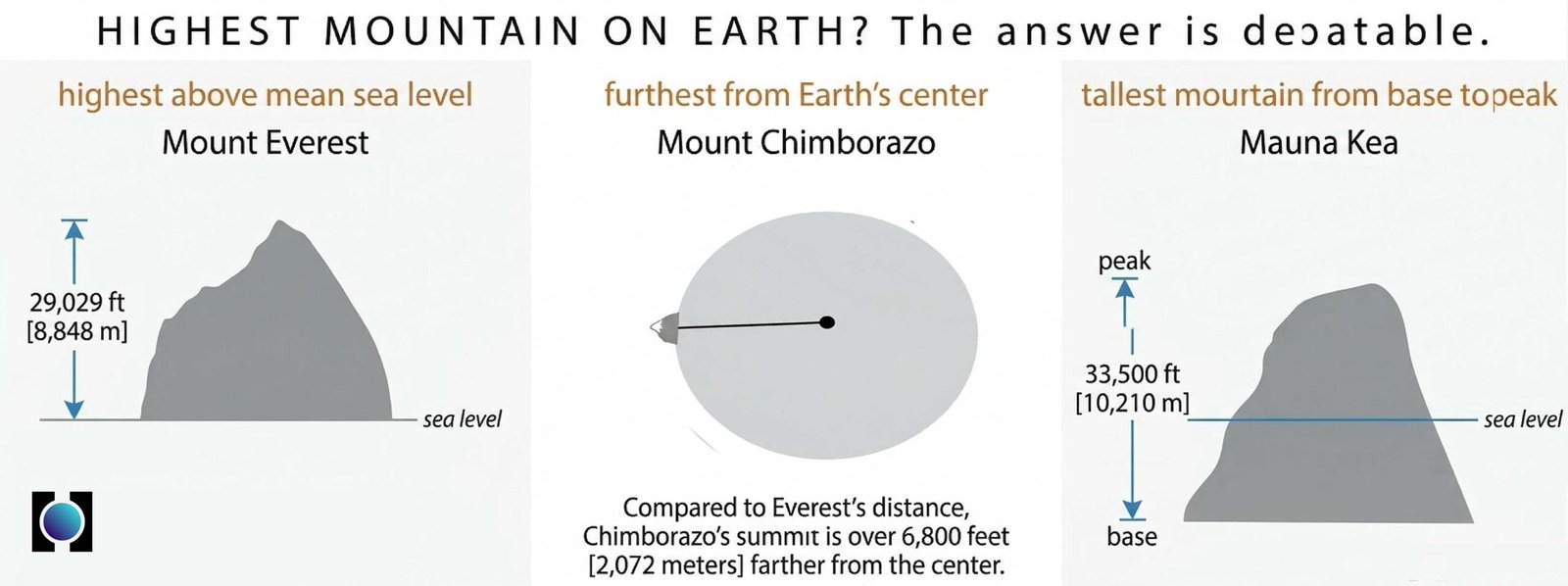
There are many mountains as well. The Great Dividing Range runs along the eastern side of the country. It affects weather, rainfall, and where cities are built. Mount Kosciuszko is the highest peak in Australia at 2,228 meters. The region may not be very tall like mountains in other countries, but it’s famous for winter sports and stunning scenery.
Population
Australia has a population of about 26 million people. Many people live in coastal cities. The weather is nice, and there are more job options. Large cities like Sydney, Melbourne, Brisbane, Perth, and Adelaide are home to millions of people. The central part of the country has very few residents because it is too hot and dry.
Demographics
Australia is one of the most multicultural countries in the world. Many people have roots in Europe, Asia, the Pacific islands, and many other regions. The main language spoken is English, and it is used in schools, government, and business. Australia’s first people are the Aboriginal Australians, who have lived there for tens of thousands of years. Their culture, traditions, and art are an important part of the nation’s identity. In Australia, people practice various religions. The country supports freedom and respects all communities.
Economy
Australia has a strong and diverse economy. It is known for mining and exports of minerals like iron ore, coal, gold, and natural gas. Farming is also important. The country produces wheat, fruits, vegetables, and large amounts of meat and wool. Many people work in services such as healthcare, education, banking, tourism, and technology. Tourism is important. Millions of visitors come each year to see Australia’s natural wonders and modern cities.
Read more about: Maps Of Algeria
Trade
Trade is an important part of Australia’s growth. The country sells minerals, metals, meat, wheat, wool, and gas to many nations. It buys machinery, vehicles, electronics, clothes, and medicines. Some of its biggest trading partners are China, Japan, the United States, South Korea, and India. Trade helps Australia build strong connections and support its economy.
Neighbouring Countries
Australia does not share land borders, but it has nearby countries in the Pacific and Southeast Asia. These include New Zealand, Indonesia, Papua New Guinea, Fiji, and the Solomon Islands. These nations have friendly ties with Australia. They work together on safety, trade, travel, and environmental issues.
International Relations
Australia has active relations with many countries around the world. It is a member of the United Nations, Commonwealth of Nations, World Trade Organization, and many other global groups. It supports peace missions, international aid programs, and environmental protection efforts. Australia partners with nearby countries to manage oceans. It also aims to improve security and support development. The country joins big sports events and cultural programs. These activities help create friendships worldwide.
Tourist Spot
Australia has many popular tourist spots. One of the most famous is the Great Barrier Reef, the largest coral reef system on Earth. It is full of colorful fish, coral, and sea life. Sydney is known for the Sydney Opera House, the Harbour Bridge, beaches, and lively streets. The Uluru rock in Central Australia is another major attraction. It is a giant red rock that is very important to Aboriginal culture. The Gold Coast is famous for surfing, sunny beaches, and theme parks. Tasmania, an island state, has clean forests, wildlife, and peaceful landscapes. Visitors enjoy Australia’s mix of nature, history, and modern life.
Interesting Facts
• Australia is the only country that is also a continent.
• The Great Barrier Reef is the largest coral reef in the world.
• The country has unique animals like kangaroos and koalas. You won’t find them anywhere else.
• Australia has more sheep than people.
• The seasons are opposite to countries in the Northern Hemisphere.
• The capital city is Canberra, not Sydney.
• It is the sixth largest country in the world by land area.
Watch video on YouTube: Australia Geography