The Geography of Bangladesh
Location and Size of Bangladesh
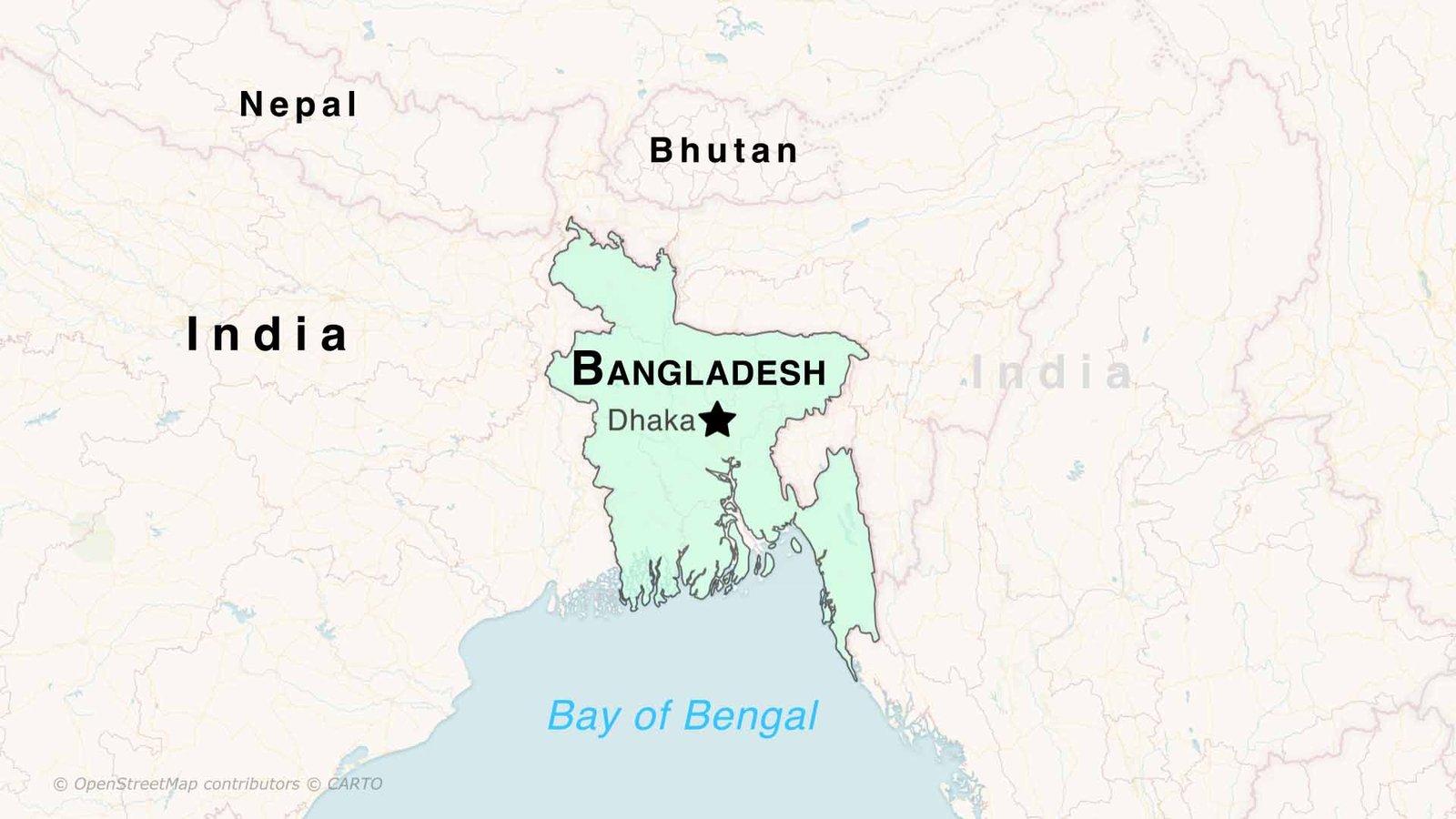
Bangladesh is a country in South Asia. It is found on the northern side of the Bay of Bengal. The country shares most of its border with India and has a small border with Myanmar. Bangladesh covers about 147,570 square kilometers. It is not a very large country, but it has a lot of people living in it. The land is low and flat, which makes it easy for rivers to flow across the country. The warm climate and good soil also make it a great place for farming.
Bangladesh has a landscape that is full of green fields, farms, and villages. Most of the country is made up of plains, which means the land is mostly flat. Because the land is low, water from rivers spreads easily across the fields. Bangladesh gets a lot of rain, especially during the monsoon season. This rain helps crops grow but can also cause floods. There are also wetlands and forests that are home to many animals and birds. The Sundarbans is one of the most famous natural spots in Bangladesh. It’s a large mangrove forest in the southern part of the country.
Rivers and Mountains
Bangladesh is known for its many rivers. Some of the most important rivers are the Ganges, the Brahmaputra, and the Meghna. When these rivers meet in Bangladesh, they create one of the largest river systems in the world. These rivers carry water, soil, and nutrients that help farming and fishing. The rivers have shaped the land and created many small islands called chars.
The country does not have very tall mountains, but there are hilly areas in the southeast. The Chittagong Hill Tracts have the highest points, with hills rising above 1,000 meters. These hills are filled with forests. They are home to various groups of people, each with their own cultures and traditions.
Population
Bangladesh has a population of more than 170 million people. It is one of the most crowded countries in the world. Many people live in cities, but a large part still lives in villages. The capital city is Dhaka, which is busy, colorful, and full of life. Dhaka has tall buildings, markets, roads, and industries. Other big cities include Chittagong, Khulna, and Sylhet. The population grows quickly, and many people work hard to support their families.
Demographics
The people of Bangladesh belong to different ethnic groups, but most are Bengali. The main language of the country is Bangla. It is spoken by most people in schools, homes, and offices. Islam is the major religion. Many people also follow Hinduism, Buddhism, and Christianity. Families in Bangladesh enjoy festivals like Eid, Pohela Boishakh, and Durga Puja. Music, dance, poetry, and art are important parts of Bangladeshi culture. The people are friendly and known for their hospitality.
Economy
Bangladesh has a growing economy. A large part of the economy comes from farming. Farmers grow rice, jute, tea, and vegetables. Fishing is also common because of the many rivers. The garment industry is one of the biggest parts of the economy. Bangladesh is one of the world’s largest makers of clothes for export. Many people work in factories that make shirts, pants, and other clothing. These items are sold worldwide. The economy also benefits from money sent home by Bangladeshis who work in other countries.
Trade
Bangladesh trades with many nations. It imports goods like fuel, machinery, chemicals, and food items. It exports clothes, seafood, leather products and jute goods. The main trade partners include the United States, China, India and countries in Europe. The ports of Chittagong and Mongla are important places where ships bring in and send out goods. Good trade helps the country grow and improve its industries.
Neighbouring Countries
Bangladesh shares a long border with India on almost all sides. It also has a small border with Myanmar in the southeast. To the south, the country touches the Bay of Bengal. These neighboring countries help Bangladesh in trade and travel. Their closeness also means they share cultural traditions, foods, and music.
International Relations
Bangladesh works with many countries to keep peace and support development. It is a member of the United Nations and takes part in peacekeeping missions. Bangladesh also works with regional groups like the South Asian Association for Regional Cooperation. The country cooperates with others on climate change, education, disaster management and trade. Good relations help Bangladesh grow and stay connected to the world.
Read more about: Maps of Argentina
Tourist Spot
Bangladesh has many beautiful places for visitors. The Sundarbans is famous for its mangrove forests and the Royal Bengal Tiger. Cox’s Bazar has one of the longest natural beaches in the world and attracts many tourists. Sylhet is known for its tea gardens and green hills. Dhaka offers historical sites like Lalbagh Fort and Ahsan Manzil. Saint Martin’s Island is a quiet island with clear blue water. Tourists enjoy boating, hiking, visiting markets and tasting local foods.
Interesting Facts
• Bangladesh has one of the largest river networks in the world.
• Dhaka is one of the fastest growing cities on the planet.
• The Sundarbans is the largest mangrove forest on Earth.
• Royal Bengal Tigers live in the Sundarbans.
• Cox’s Bazar beach stretches for more than 120 kilometers.
• Bangla is one of the most spoken languages in the world.
• Bangladesh is a major producer of tea and clothes.
watch video on YouTube: The Geography of Bangladesh