Central African Republic: Location and Size, Geography, Population, Economy
Central African Republic: A Country at the Heart of Africa
The Central African Republic is a landlocked country in the middle of Africa. It is often called CAR for short. The country is known for its wide lands, rivers, forests, and strong community life. It has rich natural resources and a deep cultural history. It faces challenges, but these strengths are significant. Let us learn more about the Central African Republic step by step.
Central African Republic: Location and Size
The Central African Republic is located in Central Africa. It covers an area of about 622,984 square kilometers. Because it is in the center of the continent, it does not touch any ocean or sea. The land is large, but the population is spread out, with many people living in villages and small towns.
Central African Republic: Geography
The Central African Republic has mostly flat land with gentle hills and wide plateaus. There are forests in the south and open grasslands in the north. The climate is warm, with rainy and dry seasons that affect farming and daily life.
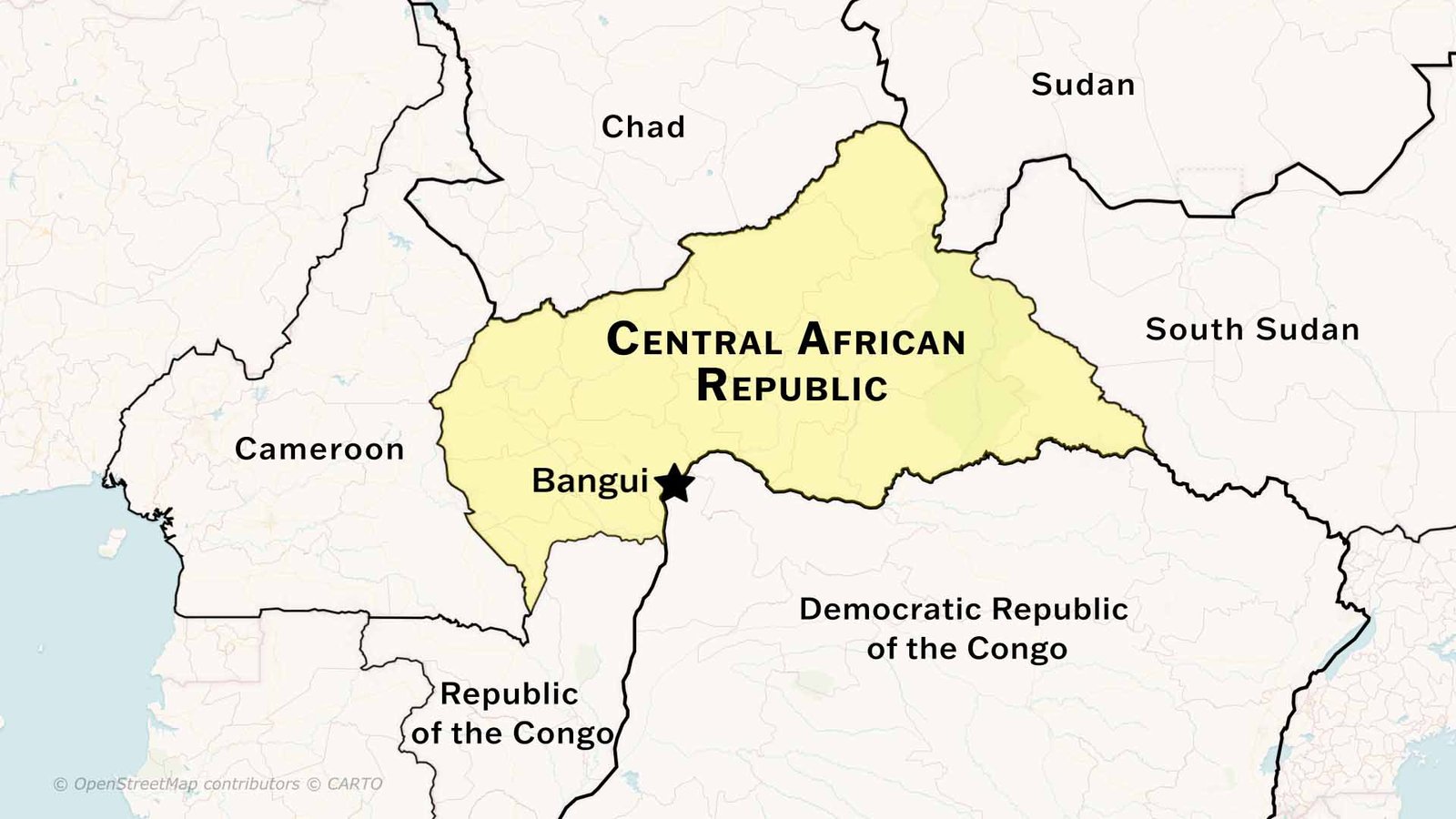
The capital city of the Central African Republic is Bangui. Bangui is located in the southern part of the country near a river. It is the largest city and the main center for government, trade, and culture.
Central African Republic: Rivers and Mountains
Rivers are very important in the Central African Republic. The Ubangi River is one of the main rivers and flows near the capital city. Other rivers include the Chari and Sangha Rivers. These rivers help people with water, fishing, and transportation.
The country does not have very tall mountains. Instead, it has hills and high plateaus. The highest point is Mount Ngaoui. The land slowly rises and falls, making it good for farming and animal life.
Central African Republic: Population
The Central African Republic has a population of about 5,700,000 people. Many people live in rural areas and depend on farming. Bangui is the most populated city, but most of the country remains quiet and natural.
Central African Republic: Demographics
The people of the Central African Republic belong to many ethnic groups. Some of the major groups include the Baya, Banda, and Mandjia. This mix creates a rich culture with many traditions and languages.
French and Sango are the official languages. Sango is widely spoken in daily life. Christianity is the main religion. Some people also practice Islam or follow traditional beliefs. Family and community are very important in daily life.
Central African Republic: Economy
The economy of the Central African Republic depends mainly on farming and natural resources. Farmers grow crops like cassava, maize, peanuts, and bananas. These crops are used for food and local markets.
The country also has valuable resources like diamonds, gold, and timber. Many people work on small farms or in local trades. The government and international groups are working to improve education, health care, and roads.
Central African Republic: Trade
Trade helps the Central African Republic get goods it cannot make itself. The country exports diamonds, timber, and agricultural products. It imports fuel, machines, clothes, and medicines.
Being landlocked makes trade tough. Goods need to go through other countries to get to ports. Even so, trade is an important part of the economy and supports daily life.
Neighbouring Countries of Central African Republic:
The Central African Republic borders six countries. To the north is Chad. To the east are Sudan and South Sudan. The south is bordered by the Democratic Republic of the Congo and the Republic of the Congo. Finally, to the west is Cameroon. These neighbors play a role in trade and travel.
International Relations
The Central African Republic is a member of the United Nations and the African Union. It works with other countries and organizations to support peace, health, and education.
International partners help with peacekeeping, development projects, and humanitarian aid. These relationships are important for the country’s stability and growth.
Tourist Spot in Central African Republic
The Central African Republic has many natural attractions. Dzanga-Sangha National Park is one of the most famous places. It is known for its rainforests, elephants, and other wildlife.
Visitors can also enjoy rivers, forests, and traditional villages. The country’s natural beauty offers chances for ecotourism and wildlife studies.
Interesting Facts about Central African Republic
The Central African Republic is one of the least populated countries in Africa. It has many rivers and forests that support wildlife. Sango is one of the few African languages used as an official language. Diamonds are an important natural resource. Most people rely on farming for their daily needs.
The Central African Republic is a country with strong traditions and natural beauty. Learning about it shows us the heart of Africa. It highlights the value of community and nature.
Watch video on YouTube: The Geography of Central African Republic
Read more about: Burkina Faso: Location and Size, Geography, Rivers and Mountains, Population