Bulgaria: Location and Size, Geography, Rivers and Mountains, Population, Demographics, Economy
Bulgaria: A Country of History and Nature
Bulgaria is a beautiful country in Europe. It has mountains, rivers, old cities, and a rich culture. Bulgaria is known for its long history, tasty food, and friendly people. Let us learn more about Bulgaria step by step.
Bulgaria: Location and Size
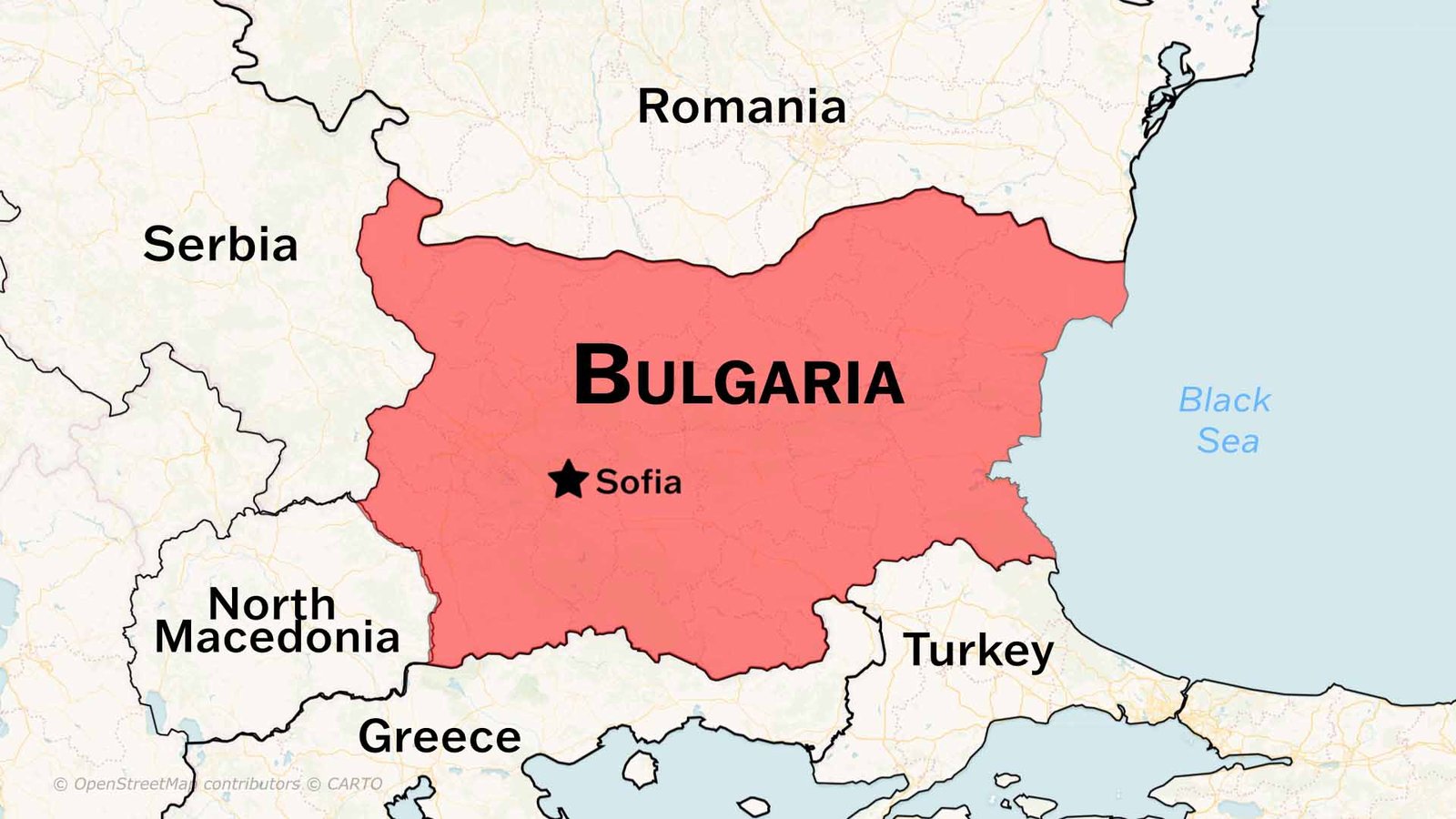
Bulgaria is located in southeastern Europe. It is part of the Balkan region. The country covers an area of about 110,994 square kilometers. Bulgaria is not very big, but it has many different landforms. Its location helps it connect Europe with Asia. The Black Sea lies to the east of Bulgaria, giving the country a seacoast.
Bulgaria: Geography
Bulgaria has a mix of plains, hills, mountains, and rivers. The northern part has wide flat lands called plains, which are good for farming. The southern and western parts have many mountains and valleys. Bulgaria also has forests, grasslands, and coastal areas near the Black Sea.
The capital city of Bulgaria is Sofia. Sofia is the biggest city in the country. It is a key hub for government, culture, and education. It is located in the western part of Bulgaria and is surrounded by mountains.
Bulgaria: Rivers and Mountains
Bulgaria has many rivers that help the land stay fertile. The Danube River is the most important river and forms part of the northern border. Other rivers include the Maritsa, Iskar, and Tundzha rivers. These rivers are used for farming and water supply.
Bulgaria has several mountain ranges. The Balkan Mountains run across the center of the country. The Rila Mountains are home to the highest peak, Mount Musala. The Rhodope Mountains are found in the south and are known for their beauty and forests.
Bulgaria: Population
Bulgaria has a population of about 6,400,000 people. Most people live in cities and towns. Sofia is the most populated city. Over the years, the population has slowly dropped. Some people move to other countries for work.
Demographics
Most people in Bulgaria are ethnic Bulgarians. There are also Turkish, Roma, and other smaller groups. The official language is Bulgarian. Many people follow Eastern Orthodox Christianity. It plays a key role in traditions and festivals. Family, respect, and hospitality are important values in Bulgarian culture.
Economy
Bulgaria has a growing economy. Farming is an important activity, and farmers grow wheat, corn, sunflowers, and vegetables. Bulgaria is also famous for rose oil, which is used in perfumes.
Industries like food processing, textiles, machinery, and electronics are key to the economy. Tourism brings in money for the country. This is especially true for visitors to the mountains and the Black Sea coast.
Trade
Bulgaria trades with many countries. It exports goods like machinery, food products, metals, and chemicals. It imports fuel, machines, and raw materials. Some of its main trade partners include Germany, Italy, Romania, and Turkey. Trade helps Bulgaria connect with other countries and grow its economy.
Neighbouring Countries
Bulgaria borders five countries. To the north is Romania. To the west are Serbia and North Macedonia. Greece is to the south, and Turkey is to the southeast. These neighboring countries influence Bulgaria’s culture, food, and trade.
International Relations
Bulgaria is a member of the United Nations and the European Union. It is also part of NATO. The country works with other nations to support peace, safety, and development. Bulgaria takes part in international meetings and helps with regional cooperation in Europe.
Tourist Spot
Bulgaria has many interesting places for visitors. Sofia has old churches, museums, and parks. The Rila Monastery is one of the most famous landmarks and is a UNESCO World Heritage Site. It is known for its beautiful buildings and peaceful surroundings.
The Black Sea coast has beaches and seaside towns like Varna and Burgas. People also enjoy skiing in mountain resorts such as Bansko and Borovets. The ancient city of Plovdiv is popular for its Roman ruins and colorful old town.
Interesting Facts
Bulgaria is one of the oldest countries in Europe and has kept its name for many centuries. The country is famous for yogurt and rose oil. In Bulgaria, head movements have a unique meaning. Nodding can actually mean no, while shaking your head can mean yes. Bulgaria also has many mineral springs, and people visit them for health benefits. The Cyrillic alphabet, used in several countries, was developed in Bulgaria.
Bulgaria is a country full of history, nature, and culture. It has mountains, rivers, and ancient cities.
Read more about: Maps of Azerbaijan
watch video on YouTube: the geography of Bulgaria