Burundi: Location and Size, Geography, Rivers and Mountains, Population
Burundi: A Small Country with a Big Heart
Burundi is a small country in East Africa. It is known for its green hills, friendly people, and strong traditions. Even though Burundi is not very large, it has beautiful nature and a rich culture. Let us learn more about Burundi by exploring different parts of the country.
Burundi: Location and Size
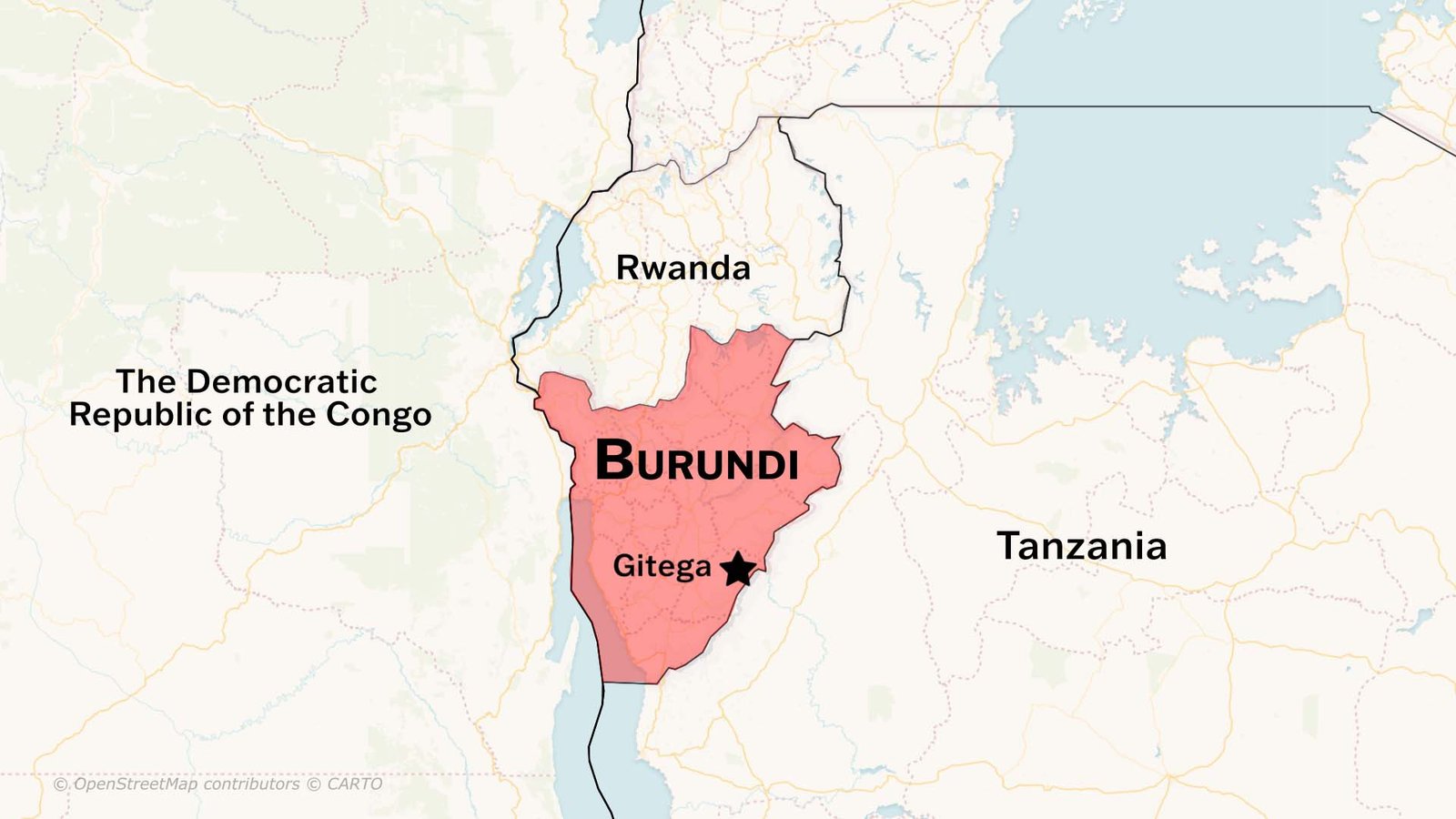
Burundi is located in East Africa. It covers an area of about 27,834 square kilometers. The country is landlocked, which means it does not touch the sea. Burundi lies in the Great Lakes region of Africa, close to Lake Tanganyika. Its location gives it a mix of warm weather and rainy seasons.
Burundi: Geography
Burundi is often called the “Land of a Thousand Hills” because of its rolling hills and green valleys. The land is mostly high and hilly, which makes the country look very beautiful. The climate is mild compared to many other African countries.
The capital city of Burundi is Gitega. Gitega is near the center of the country. It plays a key role in government and culture. It is also close to many historical sites and museums.
Burundi: Rivers and Mountains
Burundi has many small rivers that flow through its hills and valleys. These rivers help farmers water their crops and provide water for daily use. One important river system in Burundi is linked to the Nile River, one of the longest rivers in the world.
Burundi does not have very tall mountains, but it has high plateaus and hills. The highest point is Mount Heha. From these high areas, rivers flow in different directions, shaping the land over time.
Burundi: Population
Burundi has a population of about 13,000,000 people. Most people live in rural areas and small villages. Families often depend on farming for food and income. The population is young, with many children and teenagers.
Demographics
The people of Burundi belong mainly to three groups: Hutu, Tutsi, and Twa. These groups share similar languages and traditions. Kirundi is the national language and is spoken by most people. French and English are also official languages.
Most people in Burundi follow Christianity, while some follow traditional beliefs. Family life and community are very important in Burundian culture. People show respect for elders and enjoy traditional music and dance.
Economy
Burundi’s economy depends mainly on agriculture. Most people grow crops like bananas, beans, maize, and sweet potatoes. Coffee and tea are important cash crops that are sold to other countries.
Because the country is small and has limited resources, many people live simple lives. The government is working to improve education, farming methods, and healthcare to support economic growth.
Trade
Burundi trades with other countries to sell its products and buy needed goods. It exports coffee, tea, and agricultural products. It imports fuel, machines, clothes, and food items. Trade helps the country earn money and meet daily needs.
Being landlocked makes trade tough. Goods need to pass through nearby countries to get to ports. Still, Burundi continues to build trade connections within Africa and beyond.
Neighbouring Countries
Burundi borders three countries. To the north is Rwanda. Tanzania is to the east and south. The Democratic Republic of the Congo is to the west. Lake Tanganyika also forms part of the western border. These neighbors play an important role in trade and travel.
International Relations
Burundi is a member of the United Nations and the African Union. It also takes part in regional groups in East Africa. The country works with other nations to improve peace, development, and health. International support helps Burundi work on education and infrastructure.
Tourist Spot
Burundi has many natural and cultural attractions. Lake Tanganyika is one of the deepest lakes in the world and is popular for fishing and boat rides. The lake is also important to local communities.
Kibira National Park is another special place. It is full of forests, birds, and animals. Visitors can enjoy nature walks and fresh air. The Living Museum in Gitega displays traditional drums, dances, and tools. It helps people learn about Burundi’s culture.
Interesting Facts
Burundi is one of the smallest countries in Africa. Traditional drumming is very famous and is recognized around the world. Lake Tanganyika holds a large amount of the world’s fresh water. Most people in Burundi rely on farming for daily life. The people of Burundi are strong and hospitable. They have rich cultural traditions, despite facing challenges.
Burundi may be small, but it boasts a rich culture, stunning landscapes, and dedicated people. Learning about Burundi helps us understand the diversity and spirit of Africa.
watch video on YouTube: The Geography of Burundi
Read more about: Bulgaria: Location and Size, Geography, Rivers and Mountains, Population, Demographics, Economy