Chad: Location and Size, Geography, Economy, Population
Chad: A Country of Deserts and Lakes
Chad is a large country in north-central Africa. It is known for its deserts, lakes, and wide open spaces. Chad has many different land types and cultures. Life can be tough, but the country boasts rich traditions and stunning natural beauty. Let us learn more about Chad by exploring different parts of the country.
Chad: Location and Size
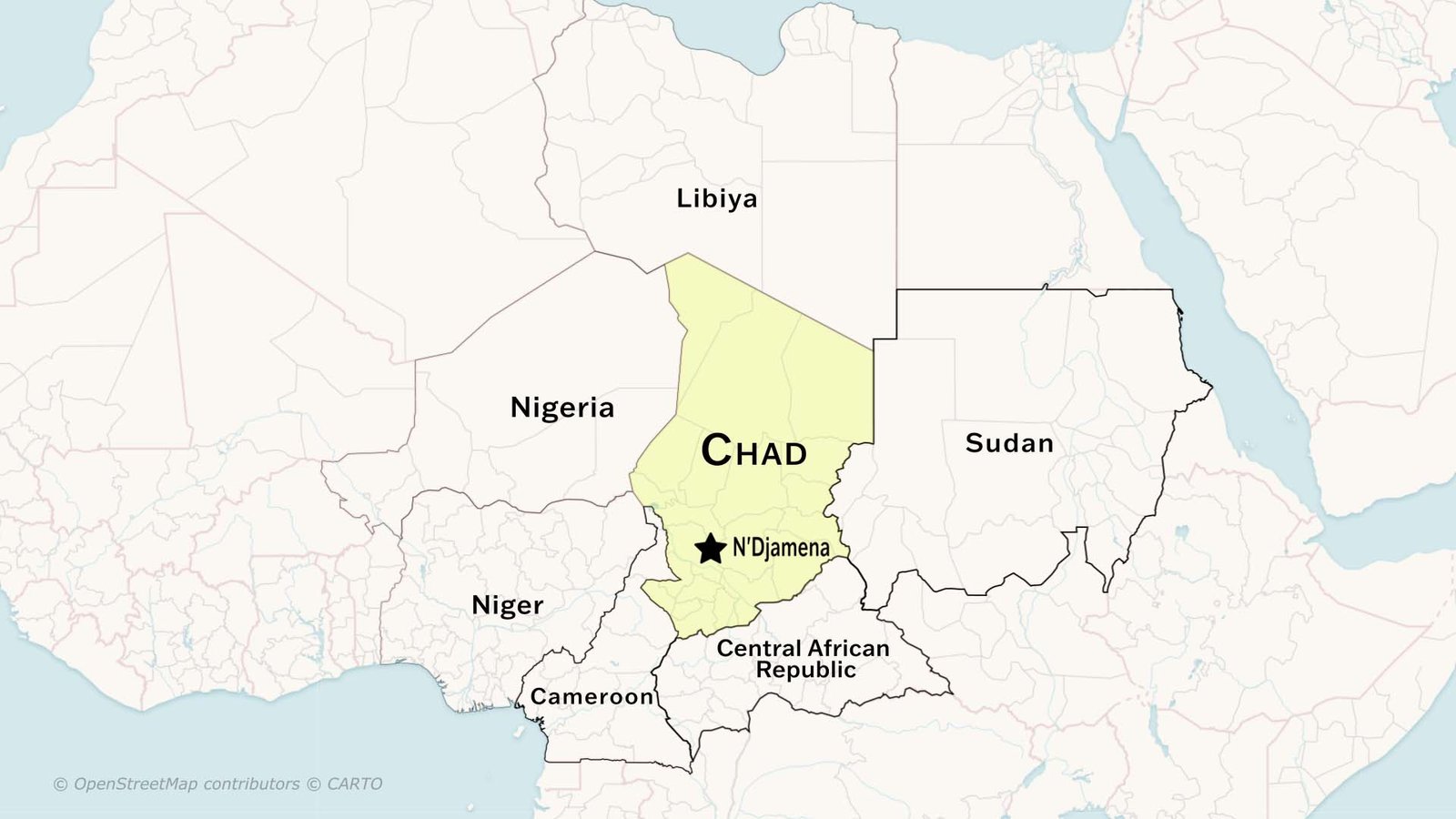
Chad is located in north-central Africa. It covers an area of about 1,284,000 square kilometers. Chad is a landlocked country, which means it does not touch the sea. Its large size makes it one of the biggest countries in Africa. The land stretches from desert in the north to greener areas in the south.
Geography of Chad
Chad has very different types of land. The northern part is covered by the Sahara Desert, with sand dunes and dry land. The central part has flat plains and dry grasslands. The southern part has greener land with farms and rivers. The weather is very hot in many areas, with little rain in the north.
The capital city of Chad is N’Djamena. It is located in the western part of the country near a river. N’Djamena is the largest city and the main center for government, trade, and daily life.
Chad: Rivers and Mountains
Rivers are important in Chad, especially in the south. The Chari River is the main river and flows into Lake Chad. The Logone River also helps to provide water for farming and fishing.
Lake Chad is one of the most important water sources in the region. It supports people, animals, and plants. The lake has become smaller over time, which affects life around it.
Chad has mountains in the north. The Tibesti Mountains are the highest mountain range. The highest point is Emi Koussi, which is also a volcano. These mountains rise above the desert and are very rocky.
Chad: Population
Chad has a population of about 18,000,000 people. Many people live in villages and small towns. Life in rural areas is based on farming and herding animals. N’Djamena is the most populated city.
Chad: Demographics
Chad is home to many ethnic groups, with over 200 different groups living in the country. Each group has its own traditions, languages, and customs.
French and Arabic are the official languages. Many local languages are also spoken. Islam and Christianity are the main religions, and some people follow traditional beliefs. Respect for elders and strong family ties are important in Chadian culture.
Chad: Economy
Chad’s economy depends mainly on farming, herding, and oil. People grow crops like millet, sorghum, and peanuts. In dry areas, many people raise cattle, goats, and camels.
Oil production is an important source of income for the country. Even so, many people live simple lives. The government is working to improve schools, health care, and farming methods.
Trade
Trade helps Chad buy and sell goods. The country exports oil, cotton, and livestock. It imports food, fuel, machinery, and medicine.
Because Chad is landlocked, trade can be slow and costly. Goods must pass through neighboring countries to reach ports. Still, trade is important for daily needs and development.
Neighbouring Countries
Chad shares borders with six countries: Libya lies to the north, Sudan is to the east. The Central African Republic is to the south, Cameroon and Nigeria are to the southwest, and Niger is to the west. These neighbors affect trade and culture.
International Relations
Chad is a member of the United Nations and the African Union. It also works with regional groups in Africa. The country takes part in peace and security efforts in the region.
International partners help Chad with development, education, and health programs. These relationships support stability and growth.
Tourist Spot
Chad has unique natural attractions. The Ennedi Plateau is known for its rock formations, arches, and ancient drawings. It is a special place for nature lovers.
Zakouma National Park is home to elephants, giraffes, and many bird species. Lake Chad is also an important place for fishing and wildlife.
Interesting Facts
Chad is sometimes called the “Dead Heart of Africa” because of its central location. Lake Chad has been shrinking over the years. The country has one of the youngest populations in the world. Camels are commonly used for travel in desert areas. Chad has many different cultures and languages.
Chad is a country of strong people, wide lands, and rich traditions. Learning about Chad shows us life in Central Africa. It highlights the value of nature and community.
Watch video on YouTube: The Geography of Chad
Read more about: The Geography of Bolivia