Croatia: Location and Size, Geography, Economy, Population
Croatia: A Country of Coastlines and History
Croatia is a beautiful country in Europe. It is known for its clear blue sea, historic towns, and green mountains. Croatia has beaches, islands, rivers, and old cities. People visit Croatia to enjoy nature, culture, and history.
Croatia: Location and Size
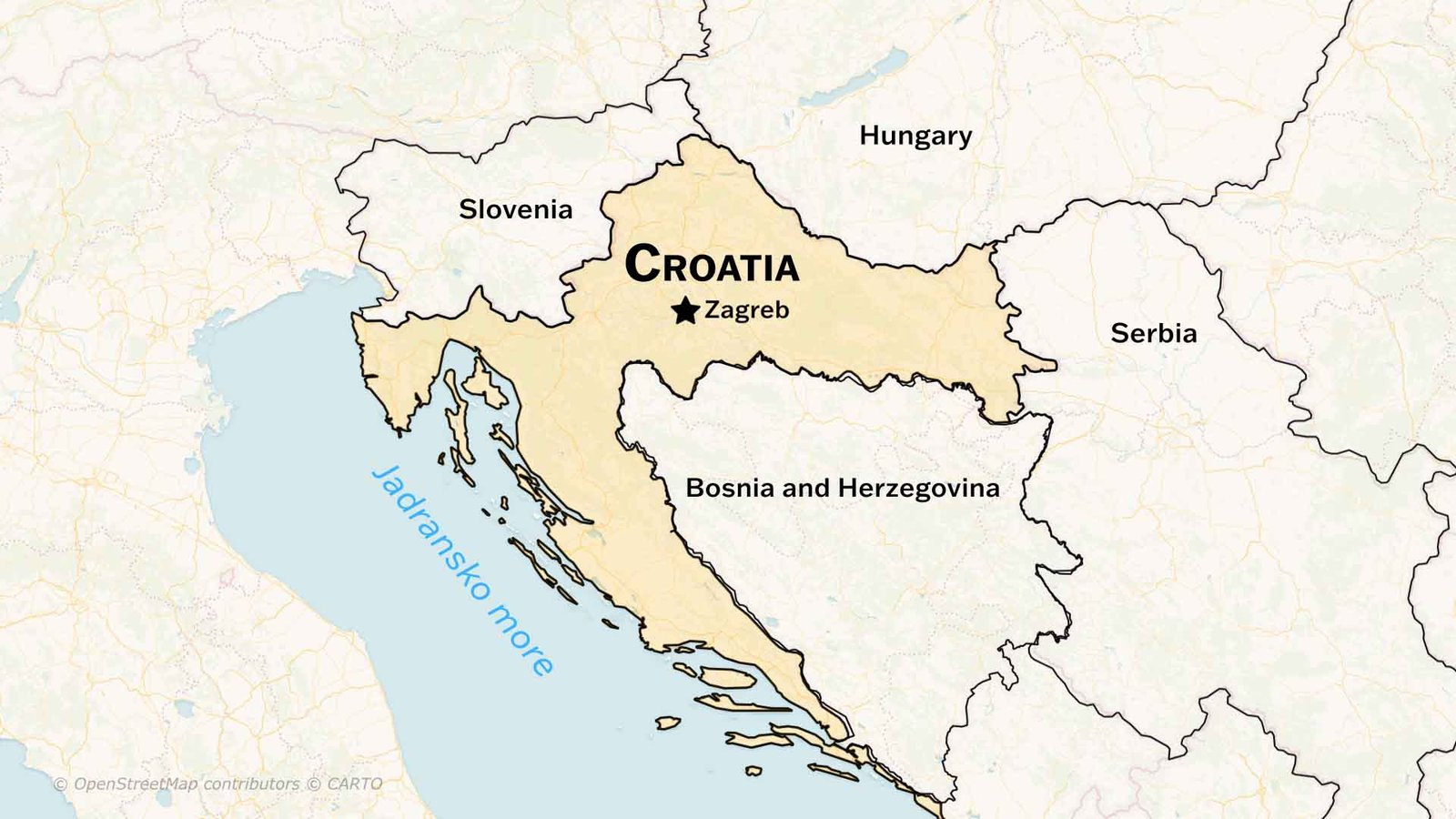
Croatia is located in southeastern Europe. It is part of the Balkan region. The country lies along the Adriatic Sea and has a long coastline. Croatia covers about 56,594 square kilometers. Even though it is not very large, it has many different landscapes.
Croatia: Geography
Croatia has a mix of landforms. The western part has a long coastline with many islands. The central part has hills and forests. The eastern part has flat plains used for farming.
The capital city of Croatia is Zagreb. Zagreb is located in the north of the country. It is the largest city and the main center for government, education, and business.
Croatia: Rivers and Mountains
Croatia has many rivers that help with farming and travel. Important rivers include the Sava, Drava and Danube rivers. These rivers provide water and support wildlife.
Mountains are found mainly in the central and southern parts of the country. The Dinaric Alps run along the coast and form rocky landscapes. These mountains help shape the weather and land of Croatia.
Croatia: Population
Croatia has a population of about 3,900,000 people. Most people live in cities and towns. Zagreb is the most populated city. Some people live in coastal towns and islands.
Croatia: Demographics
Most people in Croatia are Croats. The official language is Croatian. Many people follow Christianity, mainly Roman Catholicism. Family life, traditions and holidays are important.
People enjoy music, sports and food. Football is very popular, and Croatia has a strong national team.
Economy
Croatia has a mixed economy. Tourism is one of the most important parts. Many visitors come to enjoy the beaches, islands and historic cities. Farming is also important, with crops like wheat, corn and olives.
Factories produce food, ships and chemicals. Services and small businesses support the economy.
Trade
Croatia trades with many countries in Europe and beyond. It exports machines, food products and chemicals. It imports fuel, electronics and vehicles.
Some main trade partners include Germany, Italy and nearby European countries. Trade helps Croatia connect with the global economy.
Neighbouring Countries
Croatia shares borders with several countries. Slovenia lies to the northwest. Hungary is to the northeast. Serbia and Bosnia and Herzegovina are to the east. Montenegro lies to the southeast. These borders help Croatia connect with Central and Southern Europe.
International Relations
Croatia is a member of the United Nations and the European Union. It works with other countries on trade, security and education. Croatia also takes part in peacekeeping missions.
The country has strong ties with its neighbors. It also promotes regional cooperation.
Tourist Spot
Croatia has many famous tourist places. Dubrovnik is known for its old city walls and stone streets. Split is famous for an ancient palace by the sea. Plitvice Lakes National Park has waterfalls and clear blue lakes.
The islands of Hvar and Korčula are popular for beaches and history. Visitors enjoy sailing, swimming and exploring old towns.
Interesting Facts
Croatia has over 1,000 islands.
The necktie began in Croatia.
The Adriatic Sea is very clean.
Croatia has many old castles and towns.
The country has won medals in international sports.
Croatia is a country full of beauty, history and culture. Its coastline, rivers and friendly people make it a special place in Europe.
Read more about: The Geography of Bhutan
Watch Video on Youtube: The Geography of Croatia