Cyprus: Location and Size, Geography, Economy, Population
Cyprus: An Island of History and Sunshine
Cyprus is a beautiful island country in the Mediterranean Sea. It is known for sunny weather, clean beaches and ancient history. Cyprus has mountains, plains and long coastlines. Many cultures have influenced Cyprus over time, making it a unique place to learn about.
Cyprus: Location and Size
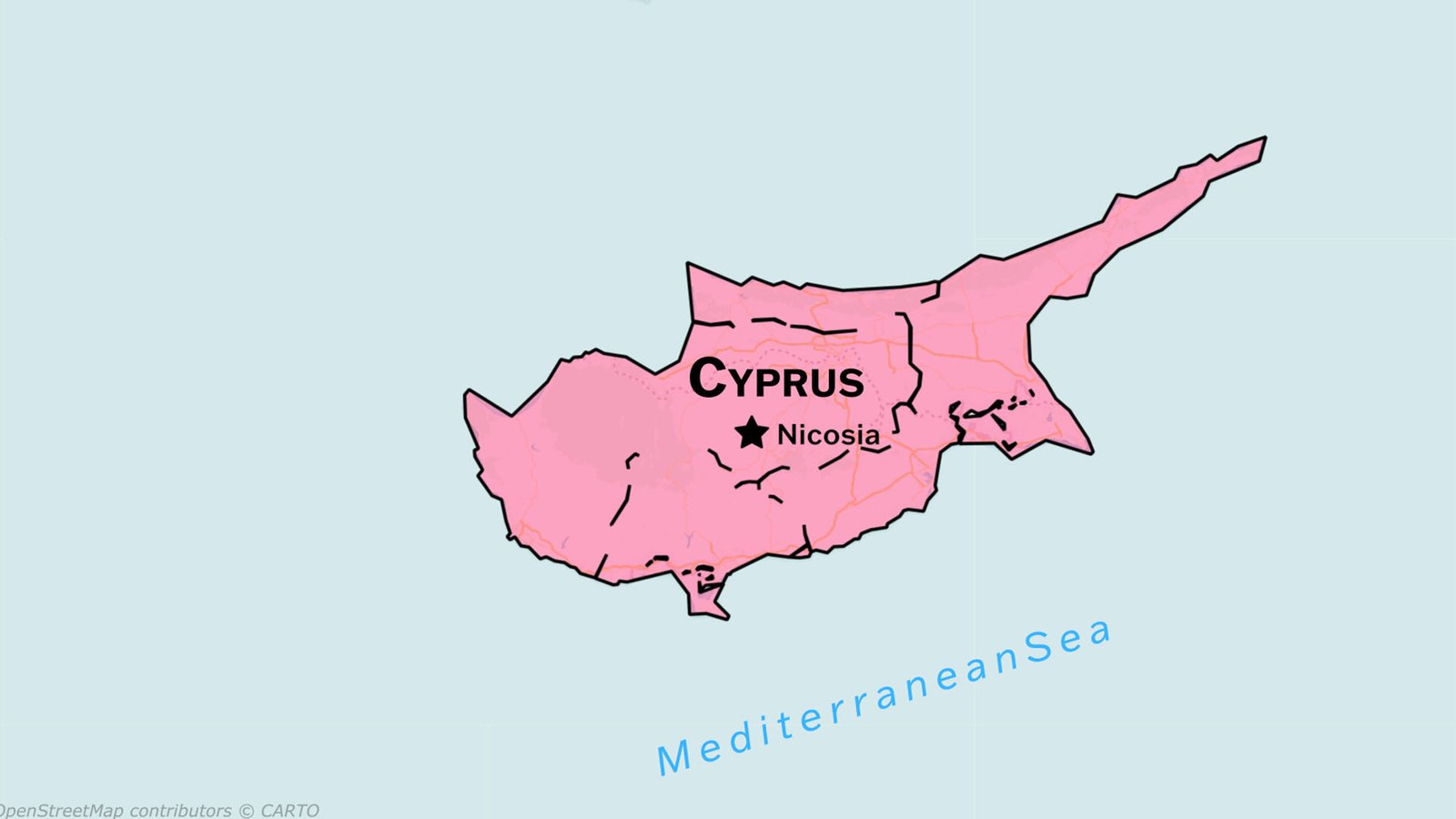
Cyprus is located in the eastern part of the Mediterranean Sea. It lies south of Turkey and west of the Middle East. Cyprus covers about 9,251 square kilometers. It is the third largest island in the Mediterranean. Its location gives it warm summers and mild winters.
Cyprus: Geography
Cyprus has different kinds of land. The coast has sandy beaches and rocky shores. The center of the island has flat land used for farming. Mountains rise in the north and south.
The capital city of Cyprus is Nicosia. Nicosia is located near the center of the island. It is the main city for government, business and culture. It is also the only capital city in the world divided into two parts.
Cyprus: Rivers and Mountains
Cyprus does not have many long rivers. Most rivers are seasonal and flow only during rainy months. These rivers help fill reservoirs used for water supply.
The Troodos Mountains are in the central part of the island. Mount Olympus is the highest point in Cyprus. The Kyrenia Mountains run along the northern coast. These mountains affect weather and provide cooler areas.
Cyprus: Population
Cyprus has a population of about 1,250,000 people. Most people live in cities and coastal towns. Nicosia, Limassol and Larnaca are some of the main cities. People also live in villages and farming areas.
Cyprus: Demographics
Most people in Cyprus are Greek Cypriots, with a Turkish Cypriot community as well. The official languages are Greek and Turkish. English is widely spoken.
Most Greek Cypriots follow Christianity, while most Turkish Cypriots follow Islam. Family life, traditions and festivals are very important in daily life.
Cyprus: Economy
Cyprus has a service based economy. Tourism is one of the most important industries. Many visitors come for beaches, history and warm weather. Banking and shipping are also important.
Farming includes olives, grapes and citrus fruits. Small businesses play a big role in the economy.
Trade
Cyprus trades with many countries in Europe and nearby regions. It exports food products, medicines and clothing. It imports fuel, vehicles and machines.
Main trade partners include European Union countries. Trade helps support jobs and development.
Neighbouring Countries
Cyprus is an island, but it is close to several countries. Turkey lies to the north. Greece is to the west across the sea. Syria and Lebanon are to the east. These nearby countries influence trade and culture.
International Relations
Cyprus is a member of the United Nations and the European Union. It works with other countries on peace, trade and education. Cyprus supports international law and cooperation.
The country also plays a role in regional discussions in the Mediterranean area.
Tourist Spot
Cyprus has many popular tourist places. Paphos is famous for ancient ruins and beaches. Limassol has a busy port and long seaside paths. Ayia Napa is known for beaches and clear water.
The Troodos Mountains attract visitors for hiking and nature. Old churches and castles can be found across the island.
Interesting Facts
Cyprus is one of the sunniest countries in Europe.
It has been lived in for over 10,000 years.
Nicosia is the last divided capital city in the world.
Olive trees grow all over the island.
Cyprus has many ancient myths and legends.
Cyprus is a small island with a big history. Its warm climate, friendly people, and mix of cultures make it unique in the Mediterranean.
Watch video on YouTube: The Geography of Cyprus
Read more about: China: Location and Size, Geography, Population, Economy