The Geography of Bolivia
Bolivia: A Colorful Country in South America
Bolivia is a bright and lively country with a mix of cultures, landscapes, and traditions. It is full of mountains, forests, salt lakes, and busy cities. Many people visit Bolivia to see its natural wonders and learn about its rich history. Let’s explore this amazing country and understand why it is so special.
Bolivia: Location and Size
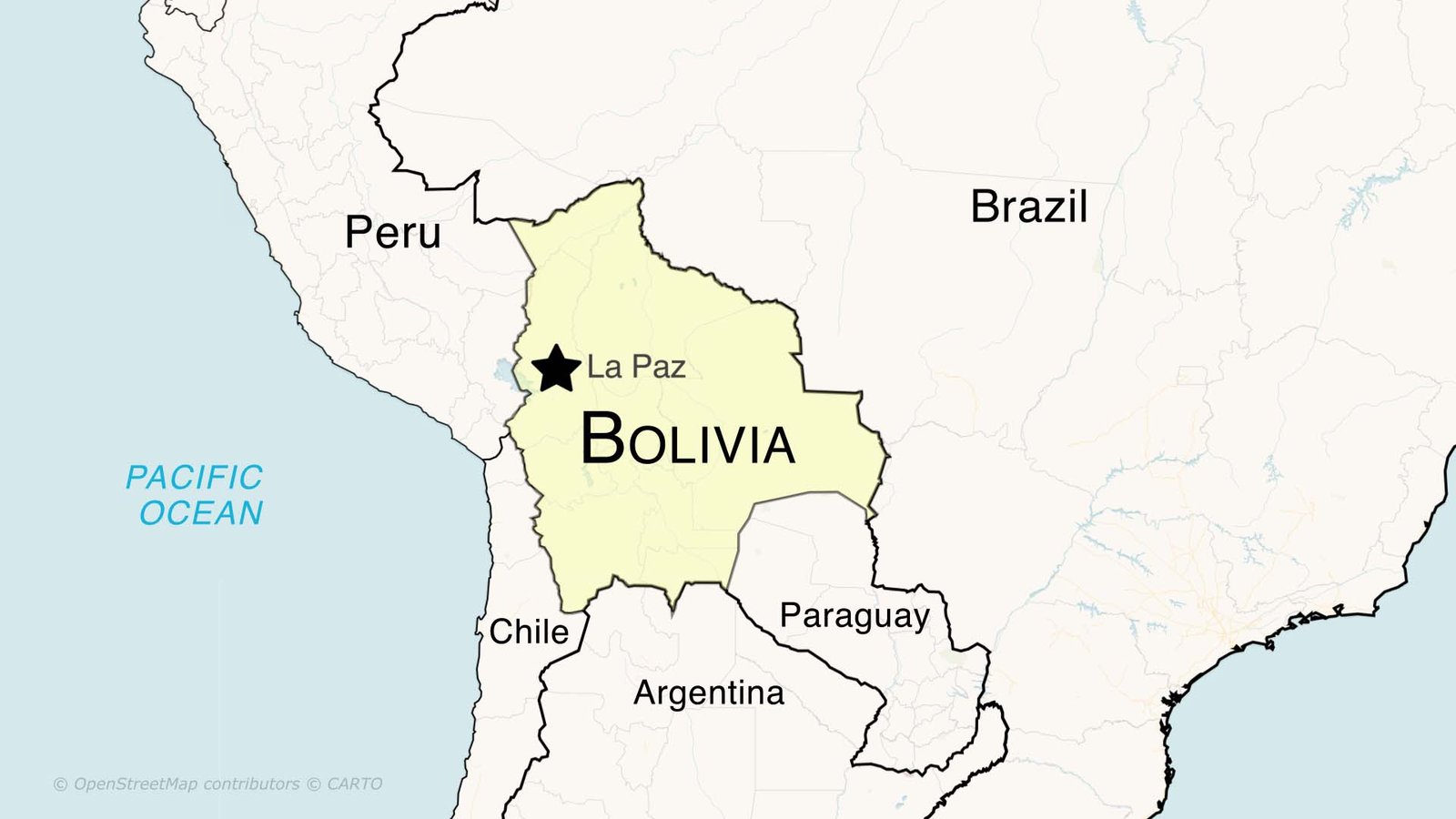
Bolivia is located in the middle of South America. It has no ocean, so it is a landlocked country. It covers about 1,098,581 square kilometers. Bolivia’s size gives it many landforms. You can find high mountains and warm lowlands. Bolivia’s location allows easy travel to nearby countries. This makes it a hub for trade and culture in the region.
Geography of Bolivia
Bolivia has very interesting geography. The western part of the country has the tall Andes Mountains. This area is cold and dry. The middle part has high plains called the Altiplano. Many people live here even though it is at a very high altitude. The eastern part has warm forests, grasslands and rivers. This area gets more rain and has many plants and animals. The weather changes a lot from place to place because the land rises and falls sharply.
One very famous part of Bolivia is the Salar de Uyuni. It is the largest salt flat in the world. When it rains, the salt flat becomes like a giant mirror that reflects the sky. Many people travel from far away to see this amazing sight.
Rivers and Mountains
Bolivia has many rivers that flow across the land. Some important rivers include the Mamoré, Beni and Pilcomayo. These rivers help fishermen, farmers and animals. Along the rivers, the land stays green and healthy. The water also helps make electricity, which is important for homes and businesses.
The mountains in Bolivia are very tall. The Andes Mountains stretch across the western side. One of the well known mountains is Illimani, which can be seen from the capital city, La Paz. Another is Sajama, which is the highest mountain in Bolivia at more than 6,500 meters. These mountains are loved by hikers and adventure seekers.
Population
Bolivia has around 12 million people. The population is spread out because some parts of the country are hard to live in. The main cities are La Paz, Santa Cruz and Cochabamba. La Paz is special because it is one of the highest capital cities in the world. Some people find it hard to breathe until they get used to the height. Santa Cruz is warmer and larger, and many people come here for business.
Demographics
Bolivia has many ethnic groups, which makes the country very colorful and diverse. A large number of people belong to Indigenous groups such as the Quechua and Aymara. These groups have their own languages, clothing, and customs. There are also people of Spanish and mixed heritage. Many people speak Spanish. However, Indigenous languages like Quechua and Aymara are also common. Many people in Bolivia speak more than one language.
The people enjoy traditional music, dance, and festivals. Clothing is bright and beautiful, especially during celebrations. Women in the Andes often wear colorful skirts and hats. Families are close and support each other in all aspects of life.
Economy
Bolivia’s economy is growing slowly but steadily. The country earns money by mining natural resources. It has large amounts of natural gas, silver, tin, and lithium. Lithium is used to make batteries for phones and electric cars, so it is very important. Bolivia also grows crops like quinoa, potatoes, corn, and soybeans. Many families farm for their daily needs.
Tourism is another important part of the economy. Visitors come to see the salt flats, mountains, lakes, and forests. People also buy handmade items like woven cloth, hats, and jewelry from local markets.
Trade
Bolivia trades with many countries in South America and around the world. It sells natural gas, minerals, soybeans, quinoa, and other crops. It buys machines, fuel, vehicles, and medicines from other countries. Trade helps Bolivia improve its economy and bring in useful goods. Bolivia has no ocean. So, it relies on roads, planes, and the ports of nearby countries to transport its products.
Neighbouring Countries
Bolivia shares borders with five countries. Brazil is to the north and east. Peru is to the west. Chile is to the southwest. Argentina and Paraguay are to the south. These neighboring countries help Bolivia with trade, travel, and regional projects. Bolivia also shares Lake Titicaca with Peru. It is one of the highest lakes in the world and is very famous for its beauty.
International Relations
Bolivia collaborates with various countries and international groups. They aim to solve problems and promote peace. It is a United Nations member. It collaborates with others on education, climate change, and health. Bolivia teams up with its South American neighbors. They focus on better roads, trade, and communication.a
The country has meetings with other nations to discuss the use of natural resources, especially natural gas and lithium, which are very valuable. Bolivia wants to grow while also protecting nature.
Tourist Spot
Bolivia is full of wonderful places for tourists. The Salar de Uyuni is the most famous, with its white salt surface and mirror like rain reflections. La Paz is another popular place because it sits high in the mountains with cable cars that give amazing views. Lake Titicaca is a calm and beautiful spot where people can learn about ancient cultures. The city of Sucre is filled with white buildings and has a rich history.
The Madidi National Park is perfect for nature lovers. It has many animals, birds and plants. Some visitors explore the Amazon rainforest from northern Bolivia.
Interesting Facts
• Bolivia has two capital cities, La Paz and Sucre.
• Lake Titicaca is one of the highest lakes used for travel in the world.
• The Uyuni salt flat is so flat that scientists test space equipment there.
• Many Bolivians still follow ancient traditions.
• The Andean condor, one of the largest flying birds, can be seen in Bolivia.
• Potatoes first grew in the Andes, and Bolivia has hundreds of types.
Bolivia is a land of beauty, tradition and adventure. It’s a country where old customs meet modern life. This blend creates a unique experience for both visitors and locals.
Watch video on YouTube: The Geography of Bolivia
Read more about: The Geography of Belize